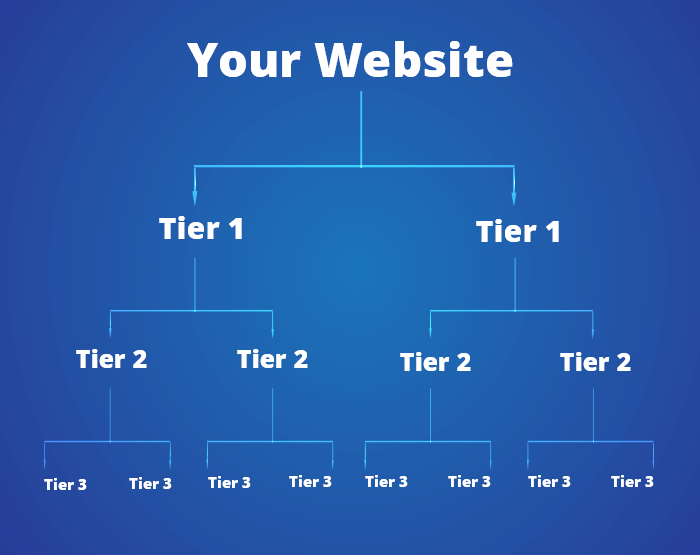
Comparing Custom and Standard SEO Structures
AI representatives for SEO are starting to do more than answer one-off triggers. The classification is noisy. A lot of items now utilize "representative" for whatever from chat assistants to software that can research study, draft, upgrade, monitor, or push approved website modifications. So I ranked these tools by the work they can actually carry, not by the label on the homepage.
This list reveals where each agent fits: content production, technical fixes, local SEO, AI-search monitoring, or customized automation. Here's the line I used to separate a real AI SEO representative from a routine AI SEO function. An AI SEO agent is software application that prepares, chooses, and acts throughout a multi-step SEO workflow using reasoning, tool gain access to, and memory.
Tool gain access to links the system to data sources and releasing platforms, enabling it to pull existing search data, draft edits, and make authorized changes. Memory retains brand, site, and workflow context throughout sessions, so each next action begins with what the system currently knows. A routine AI SEO tool normally provides you a rating, draft, or recommendation.
I used five filters that different agentic SEO software application from routine AI features. I weighed hands-on testing initially, item research second, and review proof as a check on recurring user patterns. Which phases the representative handles, from keyword research and content creation to updates, monitoring, recovery, and AI search exposure.
Customizing Advanced Data in Tiered Software
Whether the agent produces work you can use. For composing representatives, that indicates brand-specific drafts. For upgrade agents, that suggests particular page edits. For technique representatives, that indicates useful prioritization. Whether teams can select the approval depth, from draft evaluation to private approval, bulk approval, rollback guidelines, or full manual publishing.
These 9 representatives automate at least one full phase of SEO work. I ranked them by how much work they deal with, then weighed output quality, control over reviews, and who each tool matches. RankUp gives SaaS creators and lean GTM groups a devoted SEO and GEO material team to handle planning, writing, and ongoing updates.
You supply the proficiency and approve the work. The RankUp agent team divides that work throughout 3 expert roles. Magnus, the strategy agentCedric, the writer agentLyra, the content manager agentThe agents deal with the work most SaaS groups typically split throughout keyword tools, docs, AI authors, audit spreadsheets, and reporting control panels.
Here's how the agents manage that cycle: Magnus researches rivals and groups associated keywords into a topical map. He looks for duplicate or overlapping topics, then puts the topics in priority order so you know what to cover first. Cedric researches current search engine result, checks your item knowledge, and asks concentrated questions where competence is missing out on.
Your team approves strategy, answers product-specific concerns, and checks claims before anything goes live. Lyra reviews page efficiency monthly, audits underperforming or out-of-date material, and arranges refreshes and internal-linking modifications. She routes composing work to Cedric and reports efficiency so the next round of material work follows what the website requires.

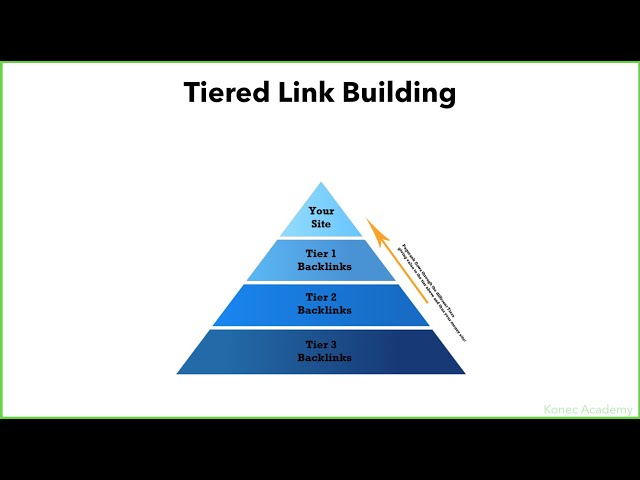
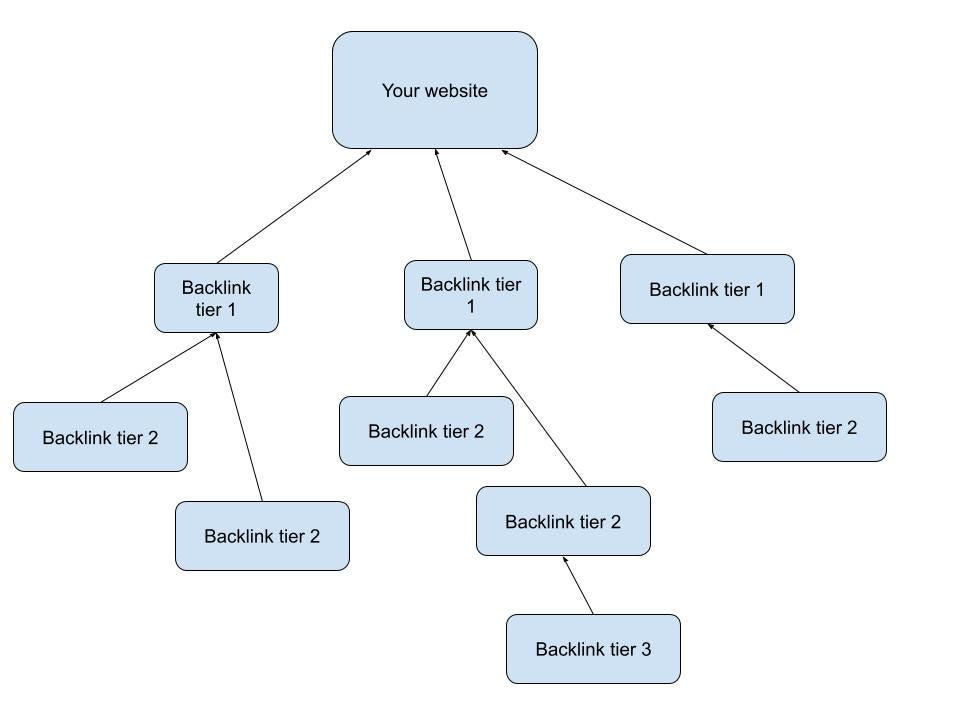
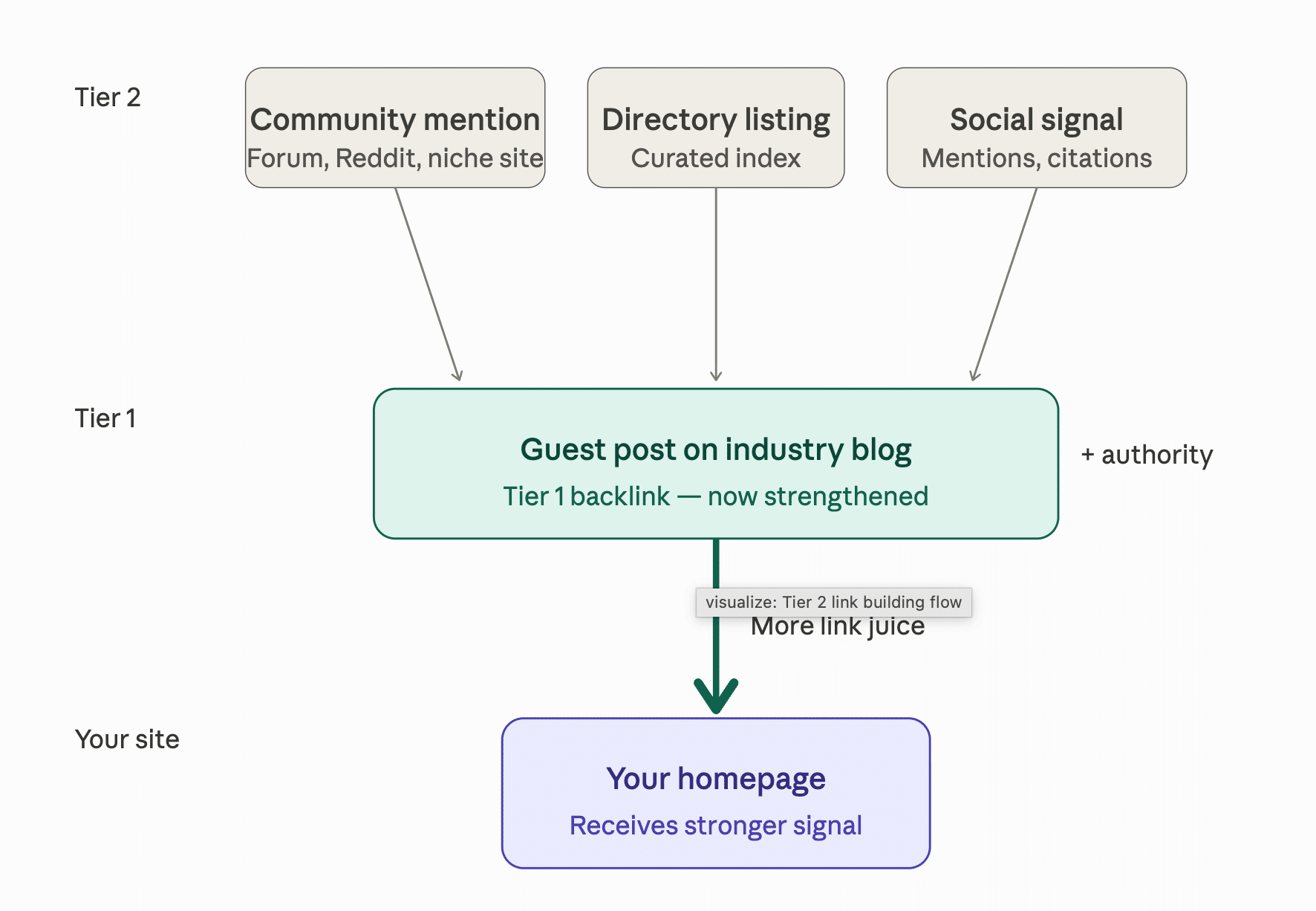
Reviewing Custom and Manual Link Structures
It shops your positioning, consumer language, sales objections, style rules, competitor context, previous responses, examples, evidence points, and approved claims. Rather of rebooting from scratch on every page, the agents reuse the context your group has actually already taught the system. Magnus manages the work that must happen before anyone begins preparing.
standard vs premium GSA SER contentfinds the search terms your buyers already use. groups associated keywords into functional clusters. decides what should be created, upgraded, or skipped. A draft can just follow the direction it receives. Better rankings begin with picking the topics and angles your purchasers are already browsing for. Cedric is the writing representative inside RankUp's production workflow.
The workflow runs like this: RankUp pulls current Google outcomes, checks how rival pages are structured, and reads your Knowledge Base for product context, placing, evidence points, and approved claims. Cedric works from a summary shaped around rival protection, the reader's next question, your business angle, and the short article type.

If a product claim, example, or positioning choice is missing, Cedric asks a targeted concern rather of guessing. Cedric composes section by section utilizing your innovative quick, style guide, Understanding Base, and referral content. The draft gets checked versus writing rules, source control, structure, and brand name fit before it reaches your group.
Request a rewrite, press back on a section, tighten claims, include approved internal links, or improve the tone until the short article matches your standards. Cedric likewise deals with composing that starts elsewhere in RankUp. When Lyra finds pages that require updates, he turns her directions into edits you can examine.