Driving Superior Search Impact With Link Logic
AI representatives for SEO are starting to do more than response one-off prompts. However the category is noisy. A lot of products now use "representative" for whatever from chat assistants to software that can research study, draft, upgrade, monitor, or push authorized website changes. So I ranked these tools by the work they can actually bring, not by the label on the homepage.
This list reveals where each representative fits: material production, technical repairs, regional SEO, AI-search monitoring, or custom-made automation. First, here's the line I used to separate a real AI SEO agent from a routine AI SEO feature. An AI SEO representative is software application that plans, chooses, and acts throughout a multi-step SEO workflow utilizing thinking, tool access, and memory.
Tool access links the system to information sources and publishing platforms, allowing it to pull existing search data, draft edits, and make authorized modifications. Memory keeps brand name, site, and workflow context across sessions, so each next action begins with what the system currently knows. A regular AI SEO tool normally provides you a score, draft, or suggestion.
I utilized five filters that different agentic SEO software application from routine AI features. I weighed hands-on screening first, product research 2nd, and review evidence as an examine recurring user patterns. Which stages the representative deals with, from keyword research and content creation to updates, monitoring, recovery, and AI search exposure.
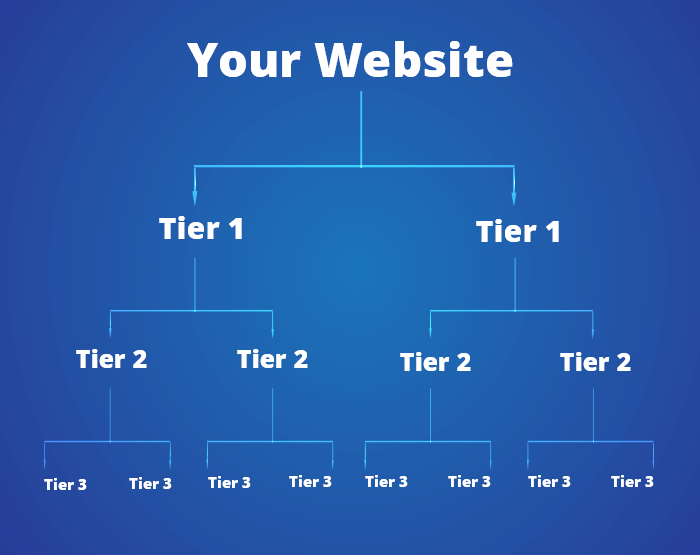
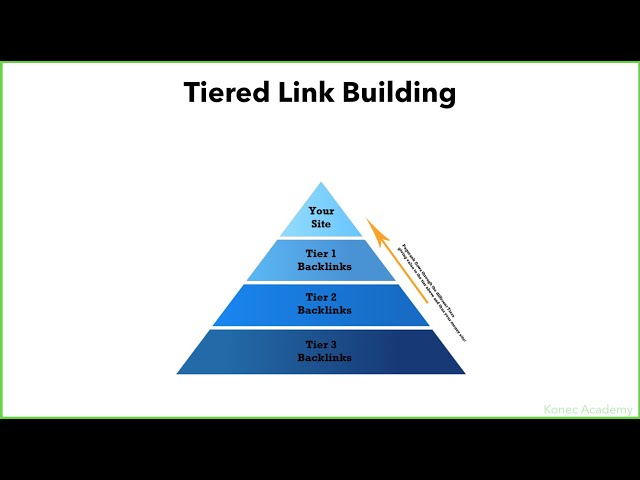
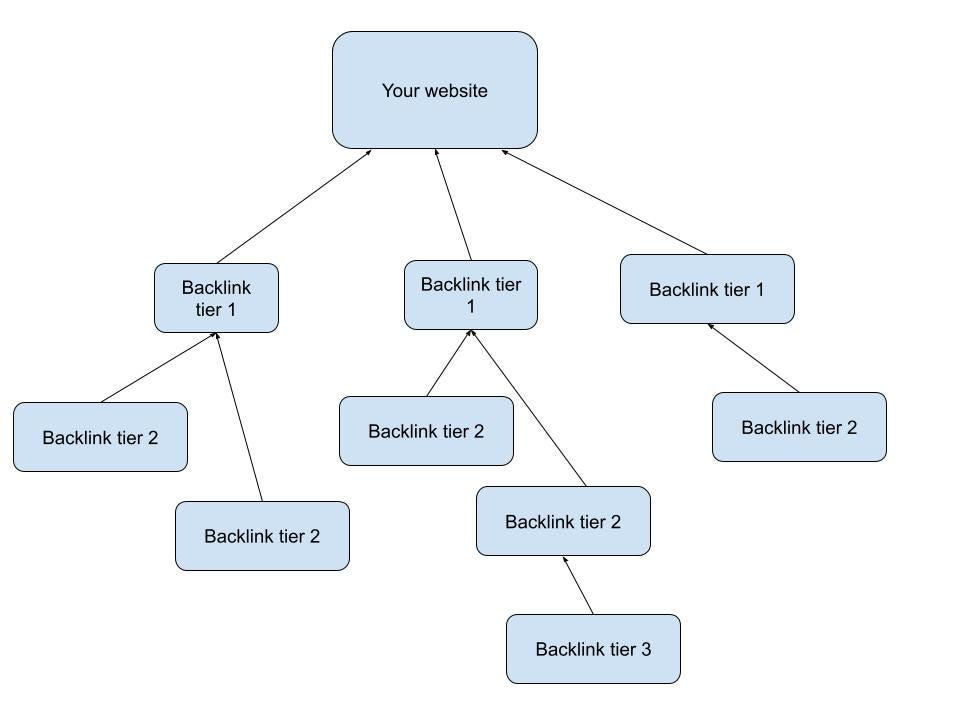
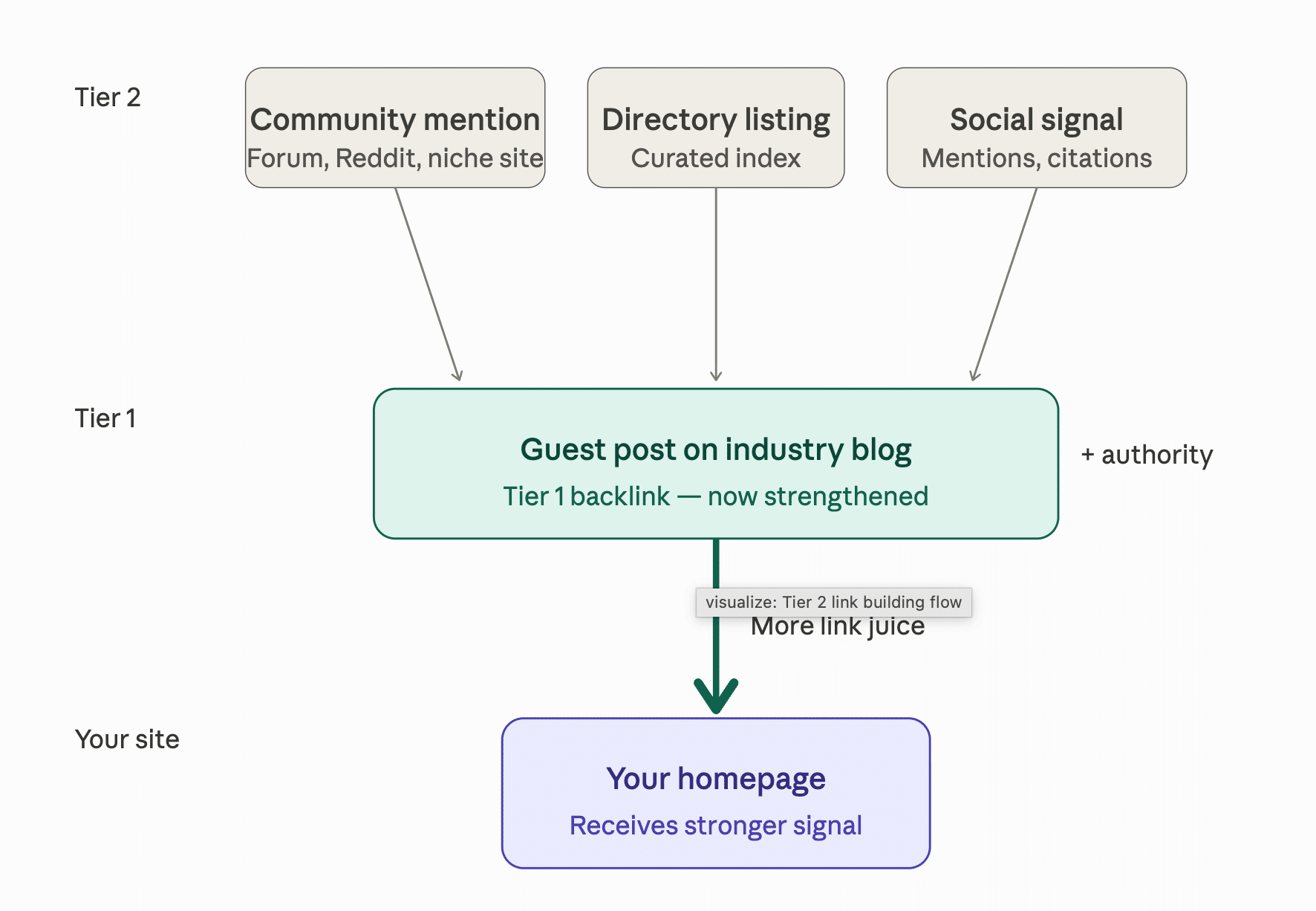
Designing Highly Effective Tiered Link Projects
Whether the agent produces work you can use. Whether teams can choose the approval depth, from draft review to specific approval, bulk approval, rollback guidelines, or complete manual publishing.
These 9 agents automate a minimum of one complete stage of SEO work. I ranked them by how much work they manage, then weighed output quality, control over evaluations, and who each tool matches. RankUp offers SaaS founders and lean GTM groups a dedicated SEO and GEO content team to manage planning, writing, and continuous updates.
You provide the expertise and authorize the work. The RankUp agent group divides that work across 3 professional roles. Magnus, the technique agentCedric, the author agentLyra, the content supervisor agentThe representatives manage the work most SaaS groups usually split across keyword tools, docs, AI writers, audit spreadsheets, and reporting control panels.
Here's how the representatives manage that cycle: Magnus investigates competitors and groups associated keywords into a topical map. He checks for duplicate or overlapping subjects, then puts the subjects in top priority order so you understand what to cover first. Cedric researches current search engine result, checks your item knowledge, and asks concentrated questions where knowledge is missing.
Your team authorizes method, responses product-specific concerns, and checks claims before anything goes live. Lyra examines page efficiency monthly, audits underperforming or out-of-date material, and arranges refreshes and internal-linking modifications. She routes composing work to Cedric and reports performance so the next round of content work follows what the site needs.
Navigating Complex Data Strategies for 2026
It shops your positioning, consumer language, sales objections, design guidelines, competitor context, previous responses, examples, proof points, and approved claims. Instead of rebooting from scratch on every page, the representatives recycle the context your group has actually currently taught the system. Magnus manages the work that should take place before anyone begins preparing.
A draft can just follow the direction it gets. Much better rankings begin with selecting the subjects and angles your buyers are currently searching for. Cedric is the writing representative inside RankUp's development workflow.
The workflow runs like this: RankUp pulls current Google results, checks how competitor pages are structured, and reads your Understanding Base for item context, positioning, proof points, and authorized claims. Cedric works from a summary shaped around competitor protection, the reader's next question, your business angle, and the article type.

If an item claim, example, or positioning choice is missing out on, Cedric asks a targeted concern instead of guessing. Cedric composes area by area utilizing your imaginative quick, style guide, Understanding Base, and recommendation content. The draft gets inspected against writing guidelines, source control, structure, and brand name fit before it reaches your team.
Ask for a reword, push back on an area, tighten up claims, add approved internal links, or fine-tune the tone up until the short article matches your requirements. Cedric also deals with composing that begins in other places in RankUp. When Lyra finds pages that require updates, he turns her guidelines into edits you can review.