Future-Proofing Complex Data Packs for 2026

AI representatives for SEO are starting to do more than response one-off prompts. The category is noisy. Lots of items now utilize "representative" for whatever from chat assistants to software that can research, draft, upgrade, keep track of, or push authorized website modifications. I ranked these tools by the work they can actually carry, not by the label on the homepage.
This list reveals where each agent fits: content production, technical repairs, regional SEO, AI-search monitoring, or custom automation. Initially, here's the line I used to separate a genuine AI SEO agent from a routine AI SEO function. An AI SEO agent is software application that plans, decides, and acts across a multi-step SEO workflow using reasoning, tool gain access to, and memory.
Tool gain access to links the system to data sources and releasing platforms, permitting it to pull current search information, draft edits, and make authorized changes. Memory keeps brand, website, and workflow context across sessions, so each next action begins with what the system currently knows. A regular AI SEO tool typically provides you a rating, draft, or recommendation.
I used five filters that separate agentic SEO software from routine AI functions. I weighed hands-on testing first, product research study 2nd, and examine proof as a look at recurring user patterns. Which stages the agent deals with, from keyword research study and content creation to updates, tracking, healing, and AI search exposure.
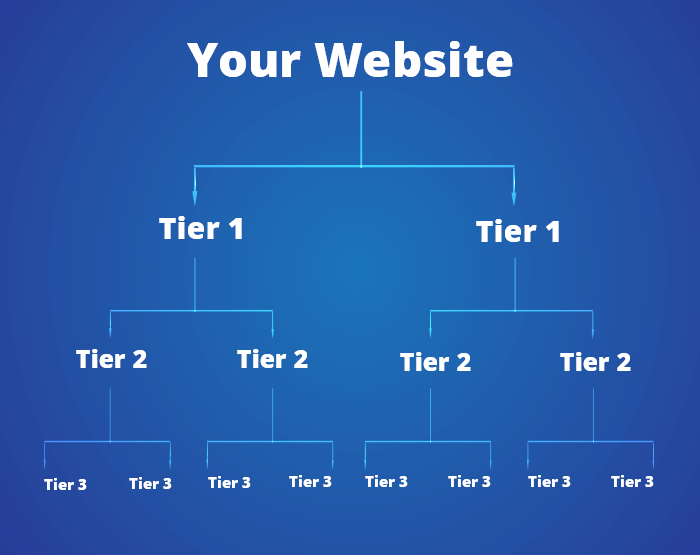
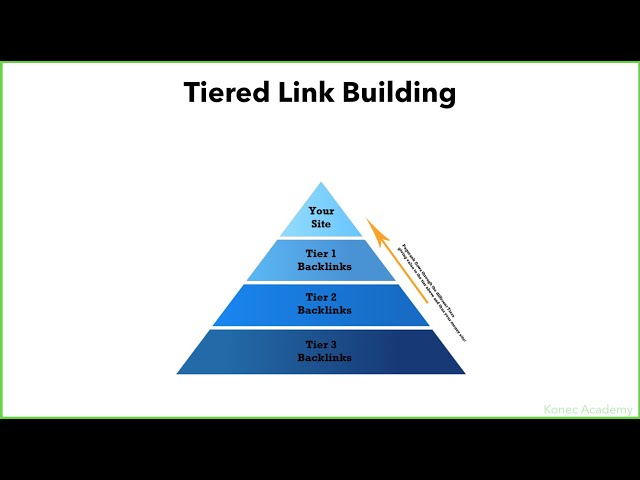
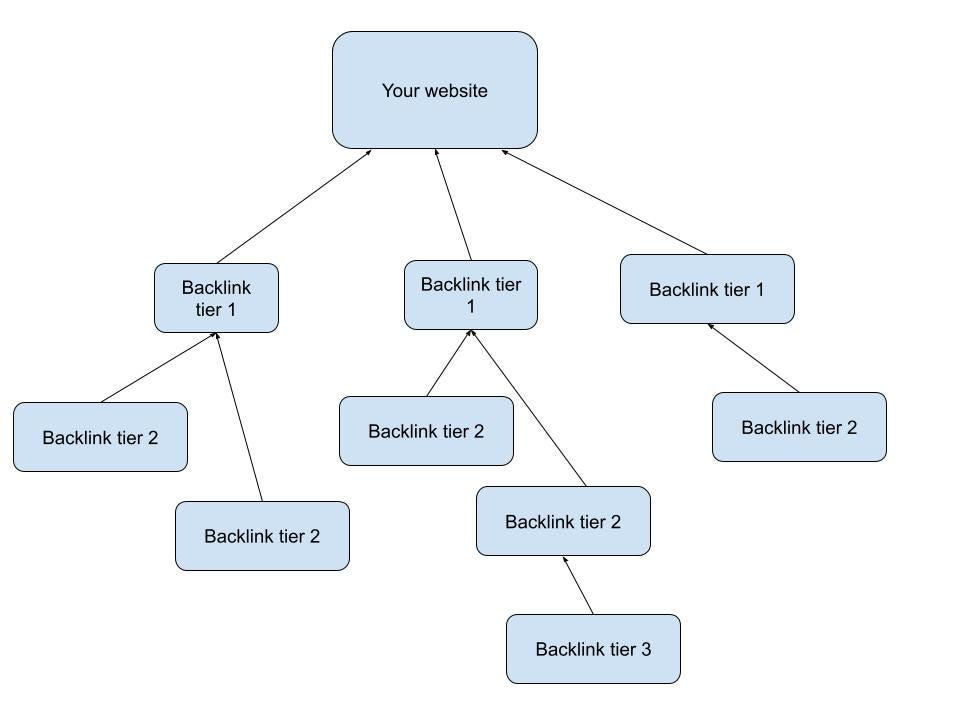
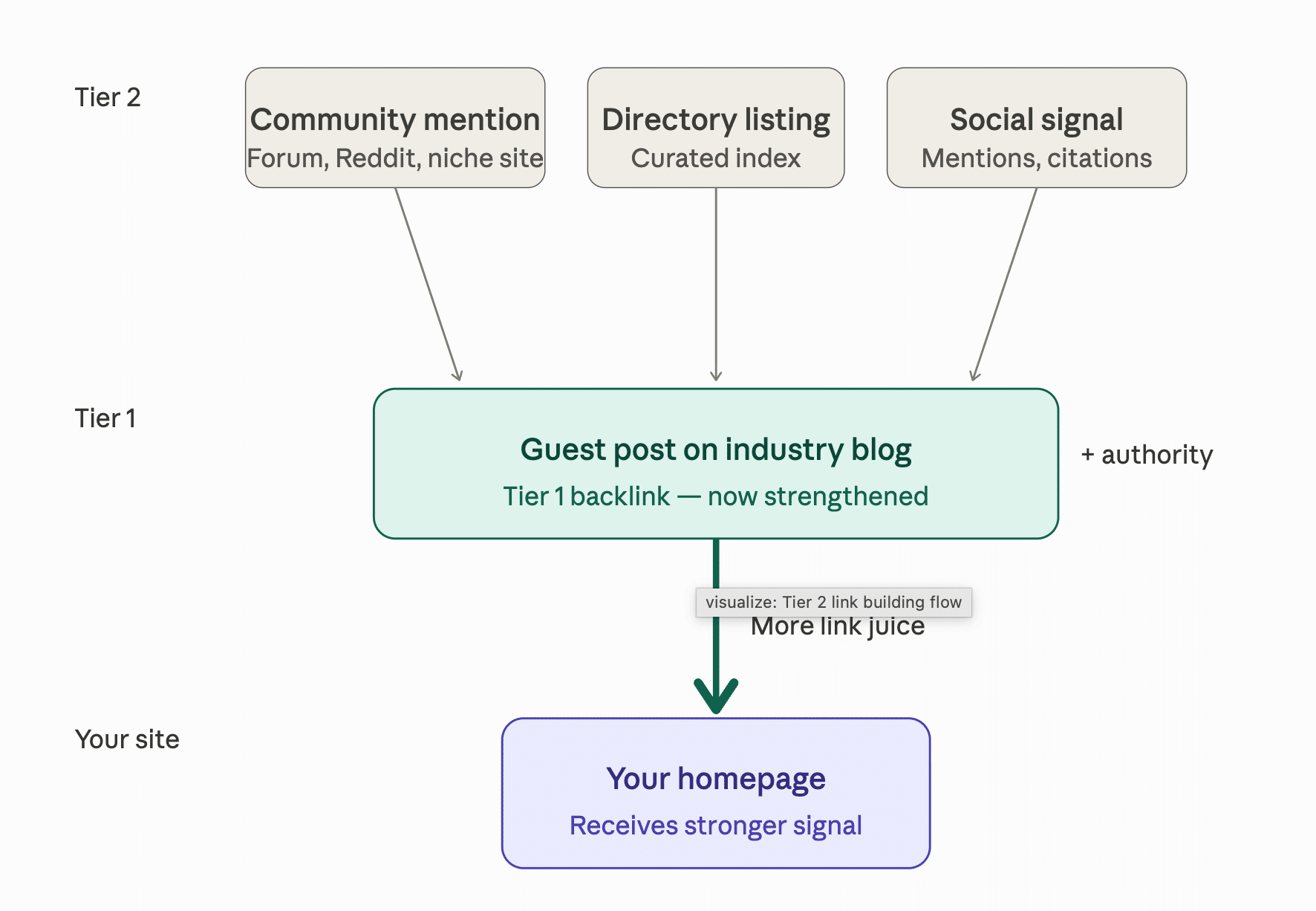
How to Optimize Automated Tiered Link Campaigns
Whether the representative produces work you can use. For composing agents, that indicates brand-specific drafts. For upgrade representatives, that means particular page modifies. For technique agents, that implies helpful prioritization. Whether groups can choose the approval depth, from draft review to individual approval, bulk approval, rollback guidelines, or complete manual publishing.
These 9 agents automate a minimum of one full phase of SEO work. I ranked them by how much work they handle, then weighed output quality, control over reviews, and who each tool suits. RankUp gives SaaS founders and lean GTM groups a devoted SEO and GEO content team to handle planning, writing, and ongoing updates.
ready to restore .ser fileYou provide the competence and approve the work. Magnus, the strategy agentCedric, the writer agentLyra, the content manager agentThe representatives manage the work most SaaS teams usually split throughout keyword tools, docs, AI writers, audit spreadsheets, and reporting control panels.
Here's how the agents deal with that cycle: Magnus researches competitors and groups associated keywords into a topical map. He inspects for duplicate or overlapping subjects, then puts the topics in concern order so you know what to cover. Cedric looks into current search results, checks your product knowledge, and asks concentrated questions where competence is missing.
Your group approves technique, responses product-specific questions, and checks claims before anything goes live. Lyra reviews page efficiency monthly, audits underperforming or out-of-date material, and arranges refreshes and internal-linking changes. She routes writing work to Cedric and reports performance so the next round of content work follows what the website requires.

How to Optimize Modern Tiered Link Campaigns
It shops your positioning, client language, sales objections, style guidelines, competitor context, previous answers, examples, proof points, and approved claims. Instead of restarting from scratch on every page, the agents recycle the context your group has currently taught the system. Magnus manages the work that needs to occur before anyone begins preparing.
ready to restore .ser fileA draft can only follow the direction it gets. Better rankings start with picking the subjects and angles your buyers are already searching for. Cedric is the composing agent inside RankUp's creation workflow.
The workflow runs like this: RankUp pulls present Google results, checks how rival pages are structured, and reads your Understanding Base for item context, positioning, evidence points, and authorized claims. Cedric works from an overview formed around competitor protection, the reader's next concern, your organization angle, and the post type.

If a product claim, example, or positioning choice is missing out on, Cedric asks a targeted question instead of guessing. Cedric composes area by section using your imaginative brief, design guide, Knowledge Base, and reference material. The draft gets examined versus writing rules, source control, structure, and brand name fit before it reaches your group.
Ask for a rewrite, push back on an area, tighten up claims, add approved internal links, or improve the tone until the article matches your standards. Cedric likewise manages composing that starts elsewhere in RankUp. When Lyra discovers pages that need updates, he turns her instructions into edits you can examine.